
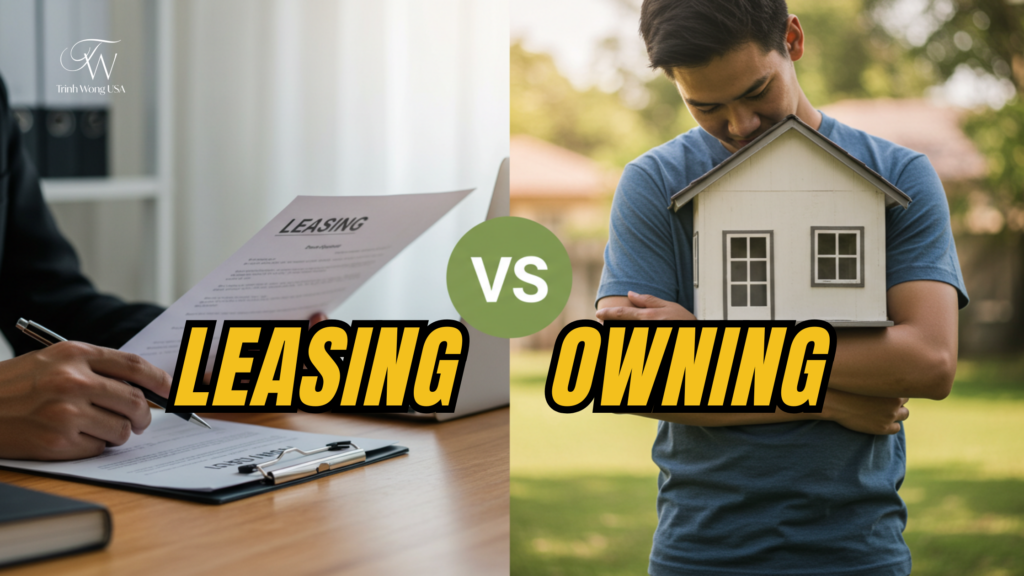
Leasing offers flexibility and lower upfront costs, ideal for businesses prioritizing cash flow and mobility. Owning provides long-term stability and equity-building opportunities but requires a larger investment and commitment. Analyze your business needs, financials, and growth plans to make the best decision.
Leasing Commercial Real Estate
Advantages:
- Lower Upfront Costs: Leasing requires less initial capital compared to purchasing a property.
- Flexibility: Easier to relocate or expand as the business grows or changes.
- Maintenance Responsibility: Landlords often handle major maintenance and repairs.
- Cash Flow Preservation: Keeps cash free for business operations or investments.
- Tax Benefits: Lease payments are typically fully deductible as business expenses.
Considerations:
- No Equity Building: Monthly payments contribute to the landlord’s equity, not yours.
- Lack of Control: Limited ability to customize or modify the space.
- Rent Increases: Lease rates may increase over time, impacting long-term costs.
- Uncertainty: Renewal terms might not always be favorable.
Owning Commercial Real Estate
Advantages:
- Equity and Appreciation: Builds equity over time and may appreciate in value.
- Control: Freedom to customize the space to suit business needs.
- Fixed Costs: Predictable mortgage payments, avoiding rent increases.
- Additional Income: Potential to lease out unused space to generate income.
- Tax Benefits: Mortgage interest, property taxes, and depreciation can provide tax advantages.
Considerations:
- Higher Initial Costs: Significant upfront capital required for a down payment and closing costs.
- Maintenance Responsibility: Full responsibility for repairs, maintenance, and property management.
- Market Risk: Property value could decline, impacting the investment.
- Reduced Flexibility: Harder to relocate or expand without selling or renting out the property.
Decision Factors
- Financial Position: Assess your available capital and long-term financial goals.
- Business Growth: Consider the potential need for flexibility or relocation.
- Market Conditions: Analyze the local real estate market for purchase or lease costs.
- Long-Term Goals: Evaluate whether owning aligns with your business strategy or investment objectives.