

Managing commercial real estate successfully requires planning, strategy, and the right knowledge. Whether you’re an experienced landlord or just starting, these actionable tips will help you position your property for success and long-term growth.
Preparing the Property for Success
Before marketing your commercial property, proper preparation can set the stage for attracting high-quality tenants and achieving higher rents.
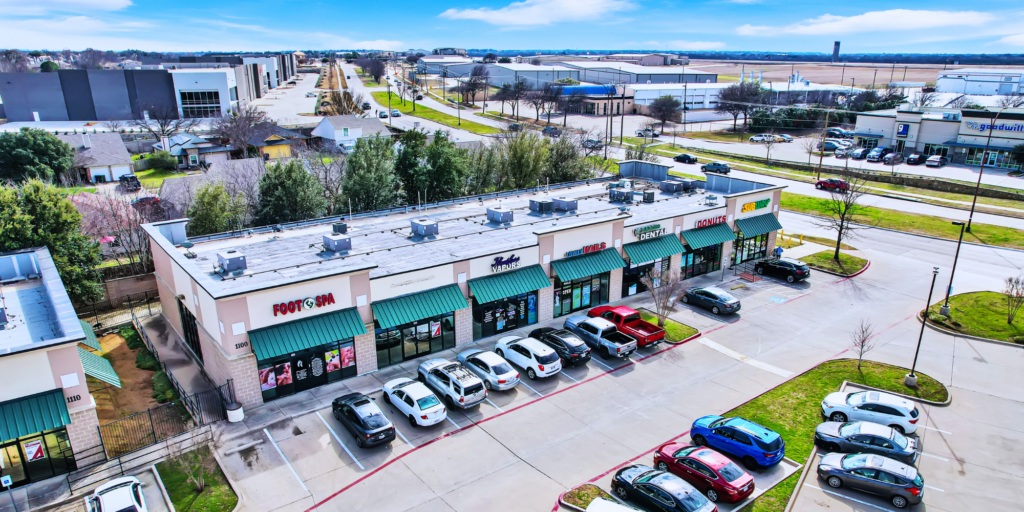
- Understand the Market: Research local rental rates, occupancy trends, and demand in your area to competitively position your property. Knowing what tenants are looking for will give you an edge.
- Maintain the Property: A well-maintained property not only attracts quality tenants but also justifies premium rental rates. Regular upkeep of common areas, landscaping, and signage goes a long way.
- Ensure Compliance: Verify that your property complies with all local zoning laws, building codes, and safety regulations to avoid legal issues.
- Set Clear Leasing Terms: Establish clear and competitive lease terms, including rent, security deposits, and policies. This helps avoid disputes and ensures smooth tenant relationships.
- Market Effectively: Use high-quality photos, engaging property descriptions, and targeted online platforms to showcase your property. Include your property’s unique selling points to stand out.
Screening and Securing the Right Tenants
Choosing the right tenants is vital for long-term profitability and minimizing risks.

- Conduct Thorough Screening: Verify financial stability, business history, and references to select reliable tenants who will maintain your property and pay rent consistently.
- Negotiate Thoughtfully: Tailor lease agreements to protect your property’s value while accommodating tenant needs. Flexibility is important, but it should never compromise your interests.
- Consider Tenant Mix: Aim for a balanced tenant mix to optimize foot traffic and reduce risks, especially in multi-unit commercial properties like retail spaces.
- Use Strong Lease Agreements: A clear, legally sound lease agreement drafted by a professional reduces misunderstandings and protects your interests.
Managing the Property Efficiently
Effective property management ensures tenant satisfaction and maintains the property’s value over time.

- Communicate Regularly: Maintain open communication channels with tenants to address concerns promptly and foster positive relationships.
- Stay Proactive with Maintenance: Handle repairs swiftly to avoid expensive damages and tenant dissatisfaction. Preventive maintenance is key to minimizing costs.
- Enforce Lease Terms: Ensure tenants adhere to lease agreements, including rent deadlines and proper use of the property, to protect your investment.
- Monitor Market Trends: Stay informed about market conditions to adjust rental rates and negotiate leases effectively when they come up for renewal.
Planning for Long-Term Success
Building a strategy for long-term success will help you maximize returns and reduce risks.

- Plan for Vacancy: Budget for potential vacancies and maintain a pipeline of prospective tenants to minimize downtime between leases.
- Build Relationships with Brokers: Leverage the expertise of commercial brokers to find reliable tenants and stay ahead of market trends.
- Consider Property Upgrades: Upgrades, such as energy-efficient systems or modern finishes, can make your property more appealing and command higher rents.
- Understand Tax Implications: Work with a tax professional to take advantage of deductions and credits, ensuring you’re minimizing liabilities while staying compliant.
- Stay Organized: Use property management software or maintain detailed records of leases, tenant communications, and financial documents to streamline operations.
Why These Tips Matter
Implementing these tips can help you:
- Attract Quality Tenants: A well-maintained, compliant property marketed effectively will draw businesses looking for professional spaces.
- Maximize Rental Income: Clear lease terms, tenant screening, and strategic upgrades ensure higher rental yields and long-term profitability.
- Reduce Risks: Proactive management and regular communication with tenants minimize disruptions and maintain steady cash flow.
- Achieve Long-Term Growth: Strategic planning and market analysis enable you to capitalize on opportunities and expand your portfolio.
Optimize Your Commercial Real Estate Investment
Whether you’re managing a retail shopping plaza, office space, or industrial property, these landlord tips are designed to help you thrive in the competitive commercial real estate market. Stay informed, proactive, and strategic in your approach to property management, and you’ll see the benefits in both income and tenant satisfaction.
Start applying these tips today and see your commercial property investment flourish!